
Makena Landing
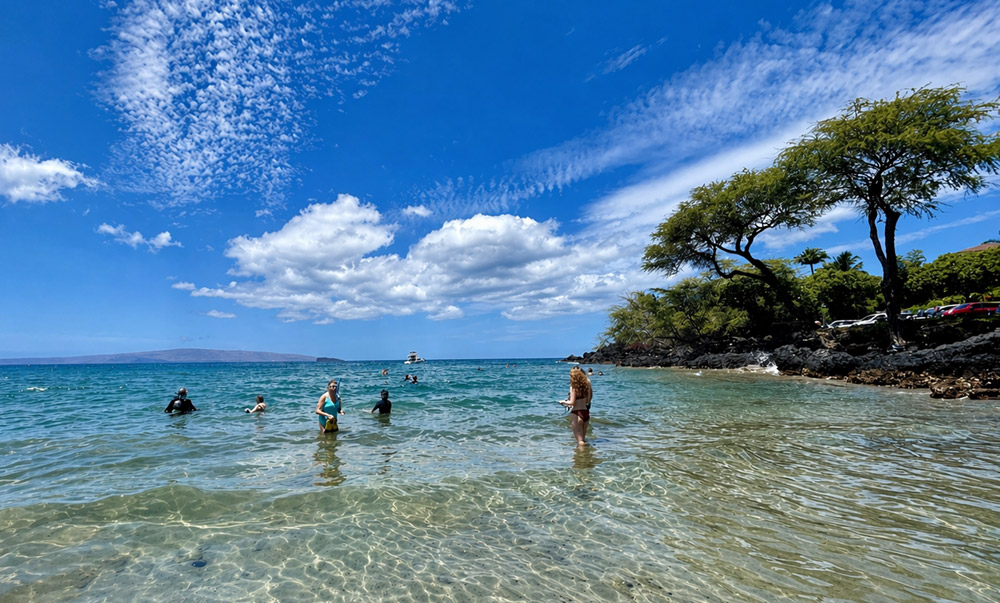
Photo: Inhouse
Makena Landing is one of South Maui’s most interesting shoreline stops because it blends calm-water ocean access with a deeper sense of place. Tucked along the Makena coastline south of Wailea, this small cove has long been used as a practical ocean entry point, a fishing area, a gathering place, and later, one of the working landings that connected this part of Maui to the rest of the islands.
Today, visitors come for snorkeling, scuba diving, kayaking, shoreline exploring, and the quieter pace that separates Makena from the busier beach parks farther north. The setting is compact and rugged, with lava rock, reef, pockets of sand, and views that stretch across the water toward Kahoolawe, Molokini, and the open Pacific. It is not a broad sandy beach like Big Beach, but that is part of the appeal. This is a place where the coastline feels more raw, local, and connected to the older story of South Maui.
A Small South Maui Cove With Big Local Character
The shoreline around Makena Landing is more protected than many nearby beaches, which makes it a popular launch point when conditions are calm. Kayakers often use the landing to head toward nearby reefs, snorkelers enter from the rocky edge, and scuba divers use the area as a starting point for some of South Maui’s best-known underwater terrain. The water can be beautifully clear in the morning, especially before the afternoon wind comes up.
This is not the kind of beach where you spread out for a full resort-style beach day. The shoreline is smaller, rockier, and more practical. People come here because they want access to the water, a quieter Makena setting, and a better sense of the coastline beyond the main resort corridor. That working shoreline feel is part of what makes Makena Landing different from the beaches farther north in Wailea or the long sandy stretches farther south near Big Beach.
The History of Makena Landing
Long before Makena Landing became a public ocean access point, this coastline was part of Honuaʻula, one of Maui’s traditional districts. The surrounding lands supported fishing, gathering, travel routes, and coastal settlement, with the ocean serving as both a food source and a transportation corridor. In that older Hawaiian context, a landing was not simply a place to put a boat in the water. It was part of how people moved, traded, fished, and stayed connected to the broader life of the island.
By the 1800s, Makena became increasingly important as South Maui changed under the influence of missionary activity, ranching, agriculture, and the growing plantation economy. The upland areas around Ulupalakua were used for sugar, potatoes, livestock, and later ranching, and Makena provided the practical shoreline connection needed to move goods. Historical accounts describe a landing at Makena Bay being built around 1850 by Linton Torbert, whose agricultural operation was later purchased by Captain James Makee. After that, the area became closely associated with Makee, Rose Ranch, and the movement of goods between South Maui, the other islands, and larger shipping markets.
During this period, Makena was one of the important leeward landings on Maui. Before modern harbors and roads changed the island’s transportation patterns, coastal landings were essential. Steamers and smaller vessels moved people, supplies, produce, sugar, and livestock. Makena’s location made it especially valuable because it connected the dry South Maui coast with the ranching and agricultural lands above it. The road between Makena and Ulupalakua was not just a scenic mauka-to-makai route. It was part of a working system that helped move the products of Upcountry and South Maui toward the sea.
Ranching added another vivid chapter to Makena Landing’s history. As cattle operations expanded, paniolo used the shoreline and nearby rock-walled areas to manage livestock before shipment. Accounts from Makena Bay describe cattle being organized near the shore, then moved out through the water toward waiting boats. It is hard to stand at the landing today and picture cattle, barges, steamers, and ranch workers along the same coastline now used by snorkelers and kayakers, but that contrast is exactly what gives the area its historical weight.
That layered history should be part of how Makena Landing is understood today. This was not only a pretty cove. It was a Native Hawaiian coastal place, a monarchy-era landing, a ranching and agricultural shipping point, and a shoreline tied to the people who helped build South Maui’s working economy. The calm water and lava rock still matter, but the deeper story is what makes the landing feel different from a simple beach stop.
Snorkeling at Makena Landing
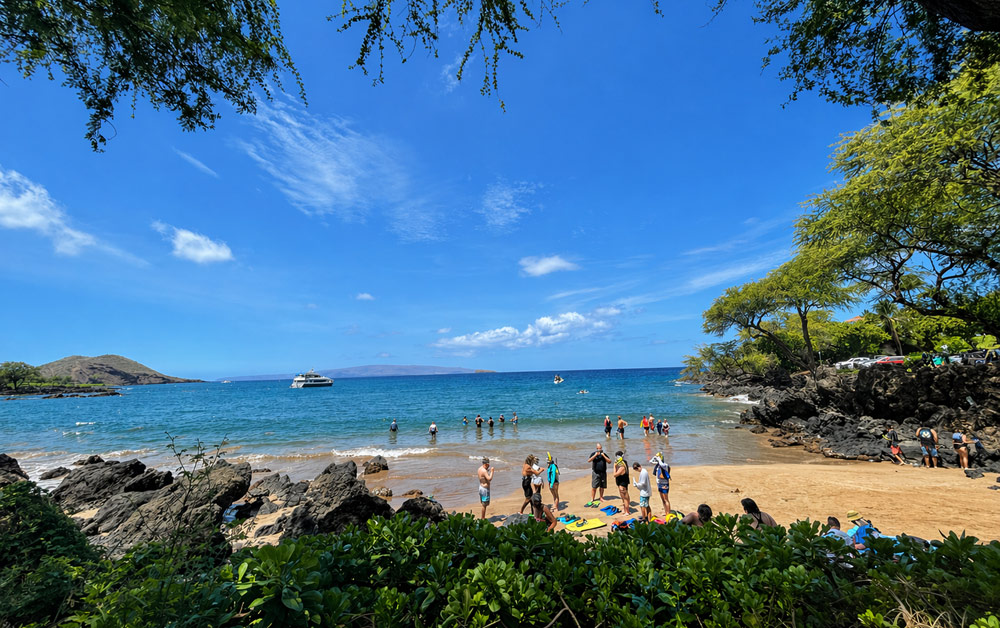
Photo: Inhouse
Snorkeling is one of the main reasons people visit Makena Landing. When the ocean is calm, the rocky edges and reef structure can create good underwater visibility and a chance to see tropical fish, coral formations, sea turtles, and other marine life. The best conditions are usually in the morning, before wind and surface chop make entry and visibility more difficult.
The entry can be rocky, so water shoes or fins are helpful depending on the day. This is not always the easiest spot for beginners, especially when there is swell, surge, or limited visibility near the rocks. Anyone entering the water should watch conditions carefully, avoid stepping on reef, and give turtles and other marine life plenty of space. Makena Landing can be beautiful, but it still requires respect for the ocean.
For stronger swimmers and guided tours, the area is often used as a starting point for exploring nearby reefs and lava formations. Visitors interested in a broader South Maui ocean day may also want to compare this coastline with other nearby spots, including Maluaka Beach, Big Beach, and the beaches around Wailea.
Kayaking, Diving, and Ocean Access
The landing is also a common launch point for kayaks and guided ocean tours. The protected cove can make it easier to get in and out of the water when conditions cooperate, and the surrounding coastline gives paddlers access to some of South Maui’s most scenic nearshore areas. On calm mornings, the views back toward Haleakala and across the water toward Molokini can be outstanding.
Scuba divers also know this area well. The lava formations, reef structure, and nearby underwater terrain make Makena Landing a practical entry point for dives along this part of the coast. Conditions can vary quickly, so guided experience matters. Like many South Maui ocean spots, the same location can feel calm and inviting one morning and rougher the next.
Facilities, Parking, and What to Expect
Makena Landing has a small beach park feel rather than a large developed beach park layout. Parking is limited, and the area can fill up when ocean tours, divers, and snorkelers are all using the landing at the same time. There are restrooms and showers nearby, which makes it more convenient than some of the more remote Makena shoreline stops.
The beach area itself is modest, with sand, lava rock, and water access rather than a long open shoreline. Families can enjoy the setting, but this is usually better for ocean activity than for a full day of lounging. Visitors should bring sun protection, water, reef-safe sunscreen, and a cautious approach to the ocean. The rocks can be slippery, and conditions should always be checked before entering.
Nearby Beaches in Makena and Wailea
One of the best parts of Makena Landing is its location between Wailea’s polished resort shoreline and Makena’s more rugged coastal setting. A short drive north brings you toward Wailea, where beaches, walking paths, dining, and resort amenities shape a more refined South Maui experience. Heading south takes you deeper into Makena, where the shoreline opens into some of the island’s most dramatic beach scenery.
Big Beach is one of the most famous nearby beaches, known for its wide sand, powerful shorebreak, and open views. Little Beach sits just beyond it and has its own distinct reputation and history. Maluaka Beach offers a softer, more swim-friendly feel when conditions are right, while the Wailea beaches to the north provide easier access to restaurants, resorts, and paved coastal paths.
Living Near Makena Landing
For buyers who are drawn to South Maui but want something quieter than the main Kihei and Wailea corridors, the area around Makena Landing has a very specific appeal. This part of the island feels more residential, more private, and more closely tied to the natural coastline. The pace is slower, the development pattern is lighter, and the ocean access feels less commercial than many of the beach areas farther north.
Nearby communities such as the condos at Makena Surf and Na Hale O Makena place owners close to Makena Landing, Maluaka, and the broader Makena shoreline, with a setting that feels removed from the busier parts of South Maui. Farther north, Wailea Ekolu offers a different lifestyle, with golf course frontage, ocean views, and convenient access to Wailea’s beaches, restaurants, and shopping.
Buyers considering this area often compare Makena with Wailea real estate, Wailea condos for sale, and nearby Kihei properties. The right choice depends on how much privacy, beach access, walkability, resort convenience, and view orientation matter in the daily routine.
Explore Makena Real Estate Near the Coast
Makena Landing is a small shoreline park, but it tells a much larger story about South Maui. It connects the older Hawaiian landscape of Honuaʻula with the later history of ranching, agriculture, shipping, and the ocean-based lifestyle that still defines this part of the island. For some people, it is simply a place to snorkel or launch a kayak. For others, it is one of the coastal landmarks that makes Makena feel different from anywhere else on Maui.
If you are thinking about buying or selling near Makena, Wailea, or anywhere in South Maui, working with someone who understands the coastline, the communities, and the lifestyle differences between each area can make the search much more focused. Learn more about Makena real estate, compare nearby real estate in Wailea, or contact us when you are ready to talk through the best options near this part of the island.