
Photo: Inhouse
Along Maui’s Central shoreline, Waiehu Beach Park offers a side of the island that feels far more local and grounded than the resort beaches most visitors picture first. Time here tends to revolve around fishing poles in the sand, families gathering under the trees, shoreline walks, and quick stops to watch the water rather than long afternoons built around beach service, rentals, or polished visitor amenities.
Located just outside Wailuku, this park sits in an area with deep Hawaiian history and a strong everyday connection to the ocean. The setting is open, breezy, and often uncrowded, with a wide coastal feel that stands apart from the more developed stretches of South Maui. For buyers looking beyond the resort corridor, spots like this help explain why Central Maui appeals to people who want a lifestyle that feels connected to the working, lived-in side of the island.
The History of Waiehu Beach Park and Nā Wai ʻEhā
Set within one of Maui’s most historically important regions, Waiehu belongs to Nā Wai ʻEhā, the “Four Waters” of Waikapū, Wailuku, Waiehu, and Waiheʻe. Those four ahupuaʻa were shaped by the streams flowing down from Mauna Kahālāwai, the West Maui Mountains, and that steady freshwater system helped make this part of the island one of the most productive and significant areas in old Hawaiʻi. Waiehu was never just a shoreline. It was part of a larger mauka-to-makai landscape where farming, water management, fishing, gathering, and community life all worked together.
Fresh water defined how this region lived and prospered. Nā Wai ʻEhā was once the largest contiguously cultivated loʻi kalo area in Hawaiʻi, with more than 4,000 loʻi kalo documented across more than 3,000 acres in 1848. That scale matters because it shows how central this part of Maui was to food production, population, and Hawaiian land use. The area also served as a major ritual, political, and population center, which helps explain why the history here feels deeper than what many beachgoers see at first glance.
Life along the coast was tied directly to what happened inland. Families in and around Waiehu relied on streams, springs, ʻauwai irrigation systems, and taro fields farther upslope, while the shoreline itself provided fishing grounds, limu, shellfish, canoe access, and other nearshore resources. Knowledge of tides, currents, reef conditions, winds, and seasons would have been part of daily life. The coast functioned as an active resource area, not a scenic backdrop set apart from the rest of the community.
Plantation-era change disrupted much of that older balance. As large-scale sugar cultivation expanded across Central Maui, stream diversions and irrigation systems redirected water that had long fed loʻi, wetlands, and native ecosystems. Traditional agricultural patterns were weakened, and the relationship between the uplands and the shoreline shifted with them. Even so, the cultural identity of Waiehu did not disappear. Residents continued using this coast for fishing, gathering, exercise, and family time, keeping the shoreline tied to local life even as land use changed around it.
Community efforts to protect the broader Nā Wai ʻEhā watershed remain part of that story today. Stream restoration and the return of water to Central Maui have been major issues for years, especially after the decline of commercial sugar operations. That larger fight matters here because beaches like Waiehu are part of the same connected landscape. The health of the streams, the wetlands, the kalo lands, and the coast has never really been separate.
Modern public preservation added another layer to the history. Maui County moved in 2010 to acquire a Lower Waiehu Beach Park parcel through the Open Space Fund, helping preserve public access along this shoreline rather than allowing the coast to slip further toward private control. That move fits the character of the area. Waiehu Beach Park is not a beach built around tourism. It remains, in a very real sense, a community shoreline shaped by Hawaiian history, public access, and long-term local use.
The Feel of the Beach and Park
Visitors arriving here will notice pretty quickly that the appeal is different from Maui’s postcard beach scene. Open grassy areas, simple facilities, ocean views, and a broad working shoreline set the tone. Depending on the season, the beach can look sandy in some sections and rougher in others, with exposed reef, rock, or uneven shoreline conditions showing through. That shifting, less-manicured quality is part of what makes the place feel authentic.
Picnic tables, shade trees, and restrooms make the park practical for families and regular daily use, but the experience stays simple. Nobody comes here expecting a luxury beach club atmosphere. Most people are here for the breeze, the quiet, the fishing, the room to spread out, or the convenience of having a shoreline park close to home.
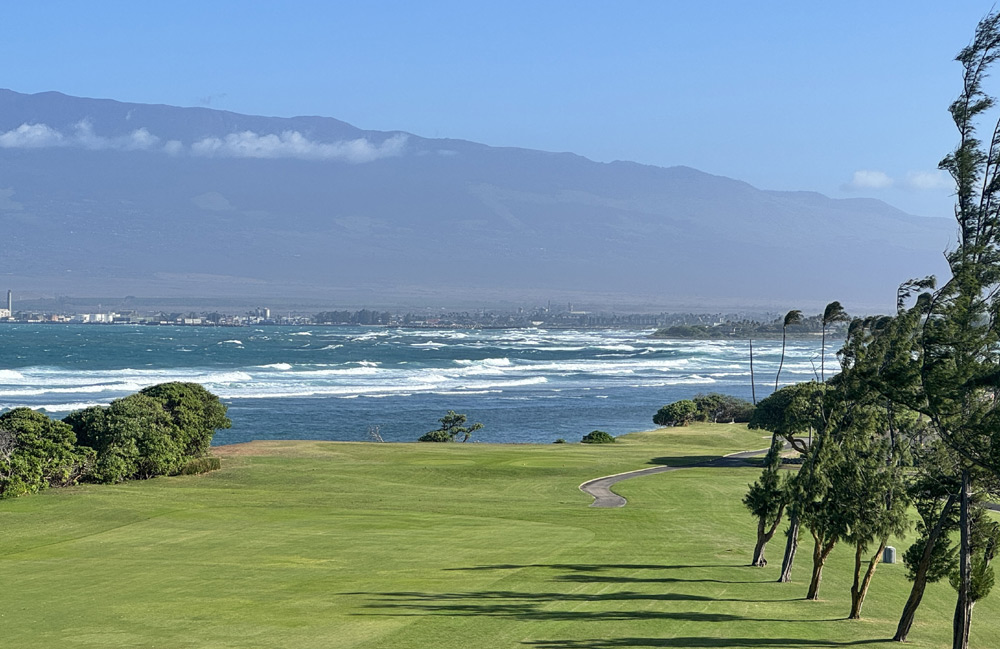
There is also a visual openness to this stretch of coast that gives it a different personality from the cove-style beaches farther south. Central Maui feels wider and more exposed, and that can be a big plus for people who enjoy less crowded places with a more natural edge. On the right day, the view out over the water and back toward the mountains says a lot about why longtime residents value this part of the island.
Ocean Conditions, Surf, and Safety
Conditions here can change quickly, so this is not the kind of beach where anyone should assume easy swimming just because the water looks inviting from shore. Trade winds, currents, shorebreak, and reef can all affect the experience. During calmer periods, some people will wade or spend time near the waterline, but rougher days can make the shoreline feel better suited for watching the ocean than getting into it.
Winter surf can bring more energy to this part of the coast, and that can make Waiehu visually striking even when it is not ideal for casual swimming. Some local beachgoers enjoy the wave action, bodyboarding, or simply watching the sets roll through, but visitors should take time to read the water before entering. What looks manageable in one section may change fast a short distance down the beach.
Families with children should be especially cautious. Protected, beginner-friendly conditions are not what define this shoreline, and that is one reason it feels so different from beaches in South Maui. Anyone looking for gentler swimming days will usually find a very different experience around places tied to Kihei and Wailea, while Waiehu tends to reward people who appreciate the park for its space, scenery, and local feel first.
Fishing, Walking, and Everyday Use
Local routines shape the atmosphere here as much as the scenery does. Early mornings and late afternoons often bring shoreline fishers, walkers, and residents who use the park as part of ordinary weekly life rather than as a special outing. That steady use gives the area a lived-in feel that many of Maui’s better-known beach parks no longer have.
Shoreline fishing remains one of the clearest links between the present and the past. Anglers still line sections of the coast, and even for people who are not fishing, that visual says a lot about how the beach functions. This is a place where the ocean is still used, watched, and understood in a practical way. The setting supports a slower kind of beach visit, one built around time outside rather than a checklist of attractions.
Walks along the coast are another big part of the appeal. Open views, fewer crowds, and the breezier Central Maui setting make the area feel relaxing without needing much infrastructure. Respect goes a long way here. Keeping the park clean, giving people space, and remembering that many of the people around you use this beach all the time helps preserve what makes it different.
Nearby Wailuku, Golf, and Central Maui Access
Just inland from the beach, Wailuku real estate offers one of the most practical living bases on Maui for people who want access to schools, medical care, local businesses, government services, and a more residential pace. That convenience is a major part of the appeal for buyers who are less interested in resort life and more interested in how a place actually functions day to day.
Golf is part of the immediate area as well. Waiehu Golf Course has long been part of the local landscape, and buyers who enjoy that side of island living can also browse our broader look at Maui golf courses to compare what different parts of the island offer. In Waiehu, though, golf feels like one more piece of the neighborhood fabric rather than the defining feature of the area.
Getting around from here is relatively easy, which is another Central Maui advantage. Kahului’s shopping, airport access, and major services are close by, while other parts of the island remain reachable without needing to live inside a visitor-heavy district. For full-time residents and many second-home buyers, that balance between access and livability can matter more than being steps from a resort beach.
Real Estate Near Waiehu Beach Park
Buyers drawn to this part of Maui are usually looking for something different from the South Maui condo scene. Resort amenities, high walkability to vacation dining, and the classic hotel-zone feel are not really the point here. Instead, interest tends to center on neighborhood character, convenience, larger lots in some areas, and a closer connection to everyday island living.
Homes in and around Waiehu and Wailuku can make sense for people who want to be near the ocean without building their entire search around a visitor-centered coastline. Proximity to the beach still matters, but it shows up differently. In this part of Maui, access often means quick shoreline visits, fishing after work, morning walks, and a shorter path to the water as part of regular life rather than a vacation schedule.
Comparisons to South Maui come up often, and that is where lifestyle becomes the deciding factor. Buyers who want a stronger resort atmosphere may still lean toward Kihei real estate or Wailea real estate. Buyers who care more about practicality, Central Maui access, and a more local setting may find that Waiehu and nearby Wailuku fit better than expected. That difference is exactly why shoreline parks like this matter when evaluating where to buy.
Thinking About Central Maui Living?
For buyers who like the idea of living near a coastline that still feels rooted in community life, Waiehu deserves a closer look. The beach itself tells part of the story, but the bigger draw is what surrounds it: history, access, local character, and a part of Maui that does not feel built around short-term impressions.
Start with our current Maui real estate listings if you want to compare Central Maui with other areas around the island. From there, spending time in Wailuku and the surrounding neighborhoods can help clarify whether this side of Maui lines up with the kind of routine, setting, and pace you want most.
When you are ready to narrow the search, reach out through our contact page. A beach like Waiehu Beach Park may not sell itself the way a resort shoreline does, but for the right buyer, that is exactly the point.